
Researcher
Meet Brooke Ring
Brooke Ring is leading the Core Facility Research Initiative with a focus on understanding how biomedical core facilities support research quality, collaboration, and innovation across Canada.
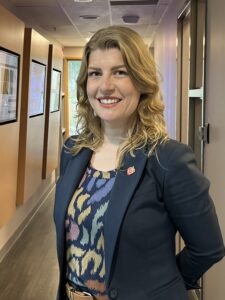
Study Lead
Brooke Ring
Brooke Ring is the Associate Director of Operations for the Translational Institute of Medicine (TIME) at Queen’s University, Canada, where she oversees the operations, scientific staff, partnerships, and strategic growth of one of the institution’s largest biomedical core facilities.
With 15 years of clinical and basic research experience, she has developed expertise in biomedical research infrastructure and applications (including next-generation sequencing, flow cytometry, and confocal microscopy), core facility operations, and scientific leadership.
Brooke also serves as President of the Canadian Network of Scientific Platforms (CNSP), where she contributes to national discussions on research infrastructure, scientific workforce development, and core facility sustainability. Her current PhD research focuses on the best practices, operational models, and impacts of biomedical core facilities in Canada.
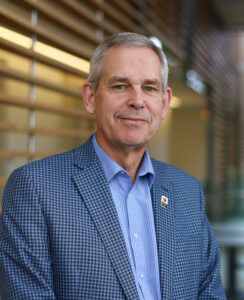
Principal Investigator
Dr. Stephen Archer
Dr. Stephen Archer is the Director of the Translational Institute of Medicine (TIME), and holds the C. Franklin and Helene K. Bracken Chair. He formerly served as the Head of the Department of Medicine at Queens from 2012 – 2023. He is a physician scientist and a graduate of Queen’s University (Meds ‘81). He is a practicing cardiologist who specializes in the care of patients with various forms of pulmonary hypertension. His other interests include strategies for improving cardiovascular care and training the next generation of physician-scientists. In his spare time he enjoys spending time with family and is an avid hockey player, guitarist and coffee drinker.
After training at the Royal Columbian Hospital in BC and the Minneapolis Veteran Affairs Medical Center he joined the faculty at the University of Minnesota in 1988. He spent a decade on faculty and attained the rank of Professor under the guidance of his mentor and friend, Dr. E.K. Weir. He then served as Chief of Cardiology and H&S Chair for Northern Alberta at the University of Alberta (1998-2007) and Chair of Cardiology and Harold Hines Jr Professor at the University of Chicago (2007-12). Dr. Archer then returned to Queen’s University as the Head of Medicine and Program Medical Director for Kingston Health Sciences Centre.
Dr. Archer directs a CIHR-funded research lab. He investigates the role of mitochondria, both as oxygen sensors and regulators of cell proliferation and apoptosis and more recently as participants in the lung injury of COVID-19. He has over 300 publications and his H-index is 121, with approximately >60,000 citations. His research focuses on exploring cellular and molecular mechanisms of oxygen sensing and mitochondrial metabolism and dynamics. He also develops experimental therapeutics for pulmonary hypertension and cancer. He has mentored over 75 trainees, many of whom are leaders in science and medicine.
Dr. Archer is also the founder and Scientific Director of the Queen’s CardioPulmonary Unit (QCPU), which is a $8 million dollar, state of the art 8000 translational research facility, with a Bench-to-Bedside philosophy. QCPU is designed to support faculty and trainees who perform heart, lung, blood and vascular research. QCPU is comprised of a state-of-the-art basic science research facility that is complemented by an onsite KHSC satellite clinic and echocardiography laboratory which does over 100 clinical studies per year and also supports research clinical trials. Along with Dr. Stephen Vanner, he co-founded TIME (the Translational Institute of Medicine), a research institute at Queen’s University.
His translational cardiovascular research has been recognized with numerous awards, including being elected as a Fellow of the Royal Society of Canada and being awarded Distinguished Scientist Awards from the American Heart Association and American College of Cardiology. He received the AFMC President’s Award for Exemplary National Leadership in Academic Medicine and was named the Chicago American Heart Association Coeur d’Or recipient in 2013 for leading the establishment of a prehospital STEMI care network in Chicago.
Mission
Research With Purpose
The Core Facility Research Initiative is grounded in a clear academic purpose: to better understand the current models of biomedical core facilities and the ways they influence research capacity, access to specialized expertise, and scientific innovation.
This study brings together questions of infrastructure, collaboration, and impact. By listening to staff, users, non-users, and leadership, the project aims to build a fuller picture of how core facilities operate and where future improvements may strengthen the research ecosystem.